How Did Casino Equipment Change from Cards to Wheels to Reels?
Casino history is often told as a story of games: first cards, then roulette, then slot machines. But equipment offers another way to follow the change. A deck, a wheel and a set of reels are not just different ways to generate results. Each is an object that organises attention, handling, timing and record-keeping. They shape what players do, what they can see and how a result becomes accepted as final.
This object-led view of casino equipment history is part of the material culture of gambling: the study of how physical things help make play possible and give it structure. It also calls for care in description. A wheel is not a deck, and one kind of roulette arrangement is not interchangeable with every other. Nor does a modern screen showing animated reels tell us that mechanical reels are turning behind it.
From cards to wheels to reels, equipment increasingly made the game’s result visible in a particular way: through a dealt hand, a ball settling into a numbered pocket, or symbols appearing in a line. Yet the change was not simply from handmade to mechanical to digital. Tables, marked surfaces, controls and displays all helped define the actions and evidence of play.
Cards: a game built from handling and shared attention
A deck is compact, portable equipment. Its parts can be shuffled, cut, dealt, held, revealed and gathered again. These actions are central to many card games. The equipment does not merely supply the symbols; it gives players and dealers a sequence of physical tasks. A hand exists because particular cards have been dealt, while the next action depends on who holds them and what is visible.
Cards also make information unevenly available. A player may see their own hand but not another’s; the dealer may control the deck and the pace of dealing. The table supports these distinctions. Its surface provides room for cards, chips and players’ hands, while defined areas can indicate where bets or hands belong. In this sense, the table is functional equipment, not just furniture.
Visibility and the record of a hand
In many card games, the result is established through a sequence rather than a single public event. Cards are dealt, turned over or compared. The design challenge is to make the relevant information visible at the right time without exposing information that is meant to stay concealed. The dealer’s gestures and the placement of cards help manage that balance.
Recording a result may be as straightforward as leaving the cards in view until a decision is made, or as procedural as settling bets and clearing the layout before the next hand. The objects therefore govern both play and its aftermath: who acts, when the hand is complete, and when the equipment is ready to be used again.
Wheels: the table becomes a map of possible outcomes
Roulette equipment makes chance visible through a different arrangement. The wheel is a rotating object with numbered pockets; the betting layout is a marked surface that lets players place wagers on numbers and combinations. historyfiles.co.uk The wheel produces the result, while the table layout lets players specify what they are risking. Neither part explains the whole game on its own.
That distinction matters. Describing a roulette wheel without its table can omit the areas where bets are placed and the layout that makes those bets legible. Conversely, a betting layout without the wheel shows the choices but not the mechanism that determines the winning number. The ball’s path, the wheel’s rotation and the marked betting areas work together as equipment.
From a hidden outcome to a public event
With cards, players may follow a series of small revelations. With a wheel, attention gathers around a visible mechanism and a moving ball. The spin gives the game a distinct period of suspense: the ball is in motion, the possible outcomes are displayed around the wheel, and the result becomes definite when it comes to rest in a pocket.
The table layout also controls movement. Players place chips in marked areas; the dealer oversees bets and manages the point at which betting ends. The marks are functional instructions. They divide the surface into choices and help participants and staff interpret a wager. That is why it is misleading to treat all roulette arrangements as visually or operationally identical. Wheel placement, table shape and layout can vary, and a photograph may show only part of the equipment.
For researchers, a still image can document a wheel or a betting layout, but it may not show how the ball is launched, how betting is closed, or how the dealer clears and settles the table. Live streams can help fill in some of that gap by showing physical equipment in use: the gestures, timing and sequence that still images leave out. They remain views of particular setups and particular moments, not proof that every table operates in exactly the same way.
Reels: from a rotating display to a screen-based interface
Slot machines brought a different relationship between action and result. In a traditional mechanical machine, the player operated a control—often a lever or button—and the machine set its reels in motion. Symbols aligned in a visible display, and the rules of the machine determined what those positions meant. The reels made a result easy to inspect at a glance, while the cabinet contained the mechanism and presented the game to the player.
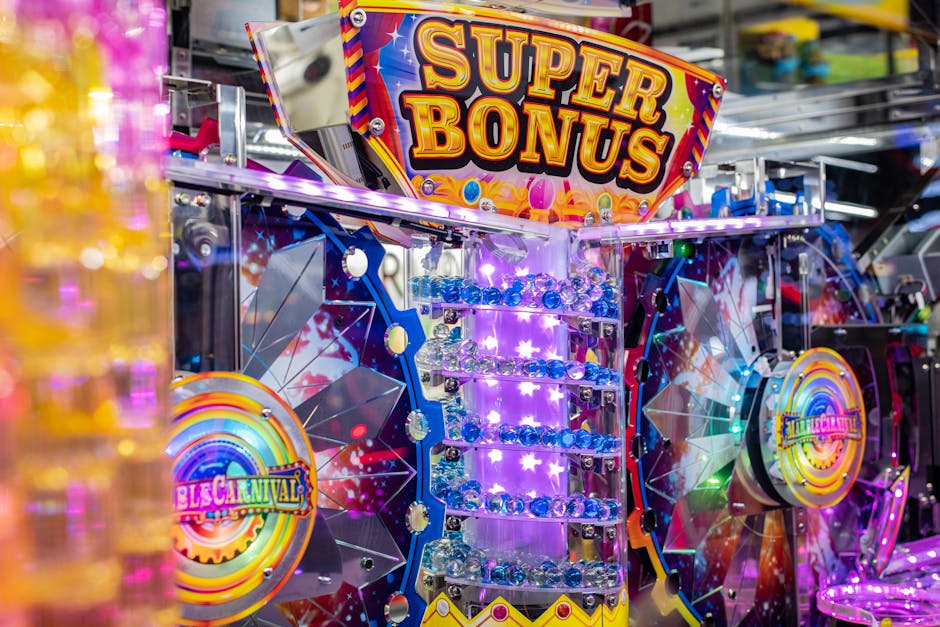
The player’s actions were also more concentrated. Rather than handling a sequence of cards or placing chips across a marked roulette layout, the player typically initiated a cycle and watched the display. The machine managed much of the procedure: starting the play, producing the outcome and presenting it in a standardised format.

When the reels are animated
Today, animated reels are a familiar digital slot interface. They can imitate the appearance of spinning reels, but animation is a visual convention: it shows a motion-like sequence on a screen. It does not, by itself, demonstrate that physical reels are turning. The game’s outcome may be produced electronically, with the interface presenting that result as symbols in motion before they stop on screen.
This distinction is important in material culture work. The older machine’s cabinet, lever, internal parts and reel window are physical evidence of a particular design. A digital interface is evidence of a screen-based presentation and its controls. Both organise play, but they do so through different equipment. Treating animated reels as proof of mechanical operation confuses what the player sees with how the result is generated.
Digital interfaces can also reproduce some familiar visual features while changing how they are handled and recorded. A tap can replace a lever pull; a screen can display credits and results; software can manage the sequence. The player’s attention still follows a displayed outcome, but the physical relationship between action and mechanism is different.
What changed—and what stayed consistent?
Comparing cards wheels reels is most useful when we look at how each form of equipment organises play, rather than treating them as stages in a simple march of progress. Cards put handling and information-sharing at the centre. Wheels make movement and a public landing point central. Reels concentrate the action in a machine or interface that presents an outcome in a repeatable format.
Equipment Player-facing action How the result is made visible Role of the surrounding surface or interface Cards Shuffle, deal, hold, reveal or compare Through the sequence and exposure of cards The table separates hands, bets and working space Wheel and roulette layout Place chips, follow the spin and assess the landing Through a ball settling into a numbered pocket Marked areas define betting choices; the wheel determines the result Mechanical reels Operate a control and observe the display Through symbols stopping in a reel window The cabinet houses and presents the machine’s mechanism Animated reels Use a digital control and watch the screen Through a simulated spinning sequence and displayed symbols The interface presents the game; animation alone does not establish a mechanical processVisibility, handling and recording results
Across these forms, three practical design concerns recur. First is visibility: participants need to understand what is happening and when a result has been reached. Second is handling: cards, chips, controls and other objects must be managed in a way that fits the game’s pace. Third is recording. A result has to be recognised, acted upon and, where relevant, reflected in the settlement of wagers or credits.
These concerns are linked. A marked roulette layout makes bets visible before the spin; the wheel makes the outcome visible after it. A card table manages what is exposed and what remains private. A reel display puts the result in a frame, whether that frame is a physical window or a screen. In each case, the equipment gives the game a practical grammar: a set of actions, positions and cues that participants learn to read.
Studying casino equipment in use
Objects can be examined as static artefacts, but casino equipment is designed to move through actions. A photograph might show a deck, wheel, chips or screen, yet leave out the sequence that makes each useful. It may also crop the table, hide controls, or show only part of the equipment. Captions and collection records should say what is visible and avoid assuming more than the evidence supports.
Live streams can provide a view of physical equipment being used, including dealer gestures, player interaction and the relationship between the table layout and the game. They can be valuable evidence of practice, though they should be read as records of a specific stream and setup. Animated reels, by contrast, are useful for studying digital visual conventions: how an interface stages motion, draws attention and announces a result. They should not be mistaken for documentation of internal mechanical parts.
From object to experience
The history from cards to wheels to reels is not simply a sequence of inventions. It is a history of changing relationships between people, surfaces and devices. Cards make the hand portable and shared, but also allow information to be held back. The roulette wheel places chance in a visible mechanism, while its table layout turns possible outcomes into marked locations for wagers. Reels—mechanical or animated—focus attention on a framed display and make a cycle of play easy to repeat.
Looking closely at the equipment helps explain why games feel different to play. It shows where the hands go, what the eyes follow, how a result becomes legible and how the next round begins. That is the value of an object-led casino equipment history: it connects the material details of gambling to the actions and conventions that make play recognisable.